



What LinkedIn Campaign Manager Is and How It Fits Into Digital Advertising
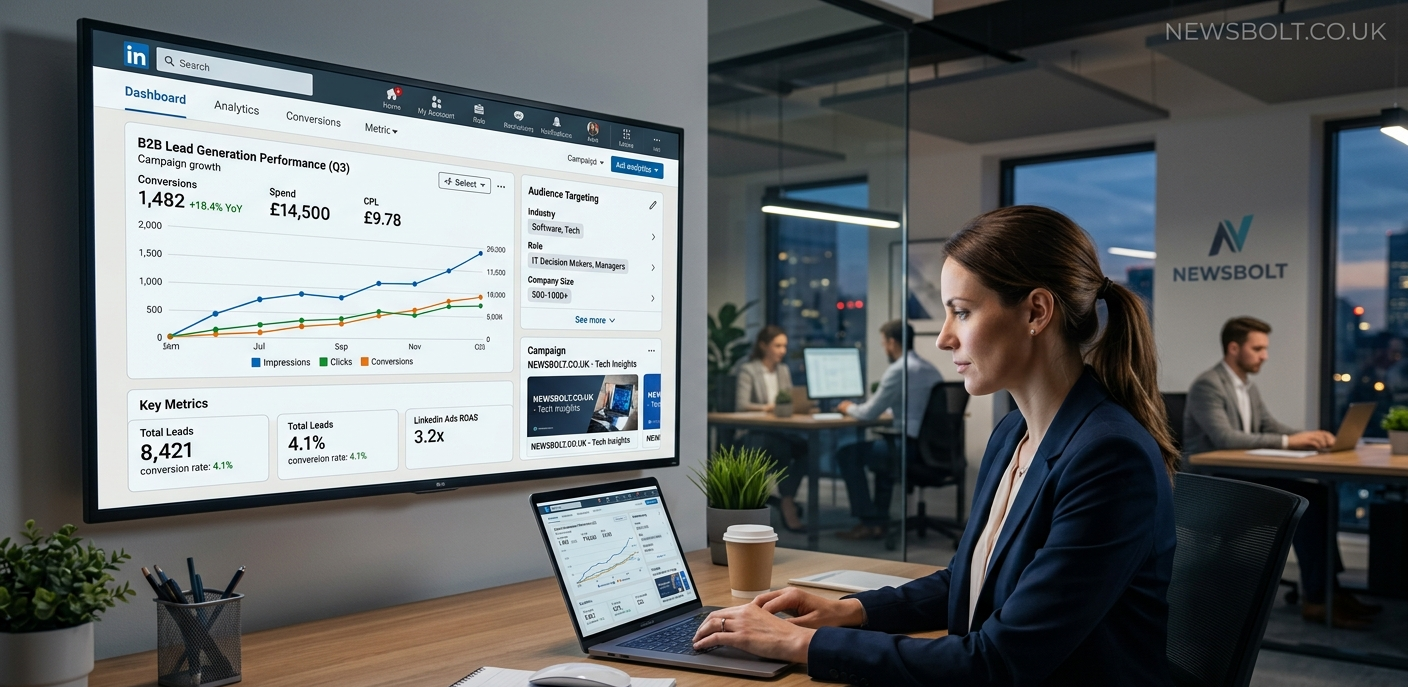
LinkedIn Campaign Manager is the official advertising management system provided by LinkedIn, designed to help businesses create, manage, and optimize paid marketing campaigns across the LinkedIn ecosystem. It is widely used in B2B digital marketing because it provides direct access to a professional audience that is already segmented by career-related attributes such as job title, industry, seniority, and company size.
At its core, LinkedIn Campaign Manager functions as a centralized control panel where advertisers can build campaigns from scratch, define objectives, and monitor performance in real time. Unlike traditional advertising platforms that rely heavily on lifestyle or interest-based targeting, LinkedIn focuses on professional intent, which makes it especially valuable for industries that depend on decision-makers, executives, and high-value leads.
The platform has become a key part of modern digital marketing strategies because it aligns with how businesses now approach customer acquisition. Instead of broad advertising, marketers use LinkedIn Campaign Manager to reach highly specific professional audiences who are more likely to engage with complex products and services, especially in sectors like SaaS, consulting, finance, and technology.
The Evolution of LinkedIn Campaign Manager in B2B Marketing
The evolution of LinkedIn Campaign Manager reflects the broader transformation of digital marketing from mass advertising to precision targeting. In its early stages, LinkedIn advertising was relatively simple, offering basic sponsored posts and limited targeting options. Over time, as competition in digital advertising increased, the platform evolved into a sophisticated campaign management ecosystem.
Today, LinkedIn Campaign Manager is deeply integrated with advanced data analytics and machine learning systems that help advertisers refine audience targeting and improve campaign performance. This evolution has made it a powerful tool for account-based marketing, where businesses target specific companies and decision-makers rather than general audiences.
The importance of LinkedIn Campaign Manager in B2B marketing has also grown because of the shift toward data-driven decision-making. Companies now prioritize measurable outcomes such as cost per lead, conversion rates, and return on ad spend. LinkedIn’s professional data advantage allows advertisers to align their campaigns with real business outcomes rather than just engagement metrics.
How LinkedIn Campaign Manager Delivers and Optimizes Ads
The delivery system behind LinkedIn Campaign Manager is built on a real-time advertising auction model. When an advertiser creates a campaign, they enter an ecosystem where ads compete for visibility based on bidding, relevance, and audience matching. This ensures that users see ads that are most relevant to their professional profile and activity.
The platform uses algorithmic optimization to improve performance over time. As data is collected from user interactions such as clicks, impressions, and conversions, the system adjusts ad delivery to prioritize audiences that are more likely to engage. This continuous learning process allows campaigns to become more efficient the longer they run.
Another important aspect of the system is relevance scoring, which evaluates how well an ad matches its intended audience. High-quality ads with strong engagement signals tend to receive better placement at lower costs, making creative quality just as important as budget and targeting.
Campaign Structure and Setup Workflow in LinkedIn Campaign Manager
The campaign structure inside LinkedIn Campaign Manager is designed to provide full control over advertising strategy. It begins with an advertising account, which acts as the foundation for all campaigns. Within this account, advertisers create individual campaigns that define objectives such as lead generation, website traffic, or brand awareness.
Each campaign can contain multiple ad groups, which allow marketers to organize targeting strategies and budgets more precisely. Within these ad groups, individual ads are created and tested, enabling advertisers to compare performance across different messaging styles and creative formats.
The setup workflow is designed to guide advertisers step by step through the process of building a campaign. It starts with selecting a marketing objective, followed by defining the target audience, setting budget parameters, choosing bidding strategies, and finally uploading ad creatives. This structured approach ensures that even complex campaigns remain organized and measurable.
Advanced Targeting and Audience Intelligence in LinkedIn Campaign Manager
One of the strongest advantages of LinkedIn Campaign Manager is its advanced targeting capabilities. Unlike many other advertising platforms, it allows marketers to reach users based on professional identity data rather than just demographic or behavioral signals. This includes job function, seniority level, industry, skills, and company information.
This level of precision makes it especially effective for B2B marketing strategies where reaching the right decision-maker is more important than reaching a large audience. Businesses can target executives, managers, or specialists within specific industries, ensuring that marketing messages are delivered to individuals with actual purchasing influence.
Audience intelligence is further enhanced through retargeting and matched audiences. Advertisers can reconnect with users who have previously interacted with their website, LinkedIn content, or email lists. This creates a more complete marketing funnel that improves conversion rates by nurturing prospects over time.
Ad Formats and Creative Ecosystem in LinkedIn Campaign Manager
LinkedIn Campaign Manager supports a diverse range of ad formats designed to match different marketing objectives. Sponsored content appears directly in users’ feeds and blends naturally with organic posts, making it highly effective for engagement-driven campaigns.
Other formats include text ads, message ads, and dynamic ads, each serving different purposes in a marketing strategy. Message ads, for example, allow direct communication with users through their inbox, while dynamic ads personalize content based on user profile data.
The creative ecosystem within LinkedIn Campaign Manager emphasizes professional tone and value-driven messaging. Unlike entertainment-focused platforms, LinkedIn advertising performs best when it delivers educational, industry-specific, or solution-oriented content that aligns with professional needs.
Analytics, Tracking, and Performance Measurement
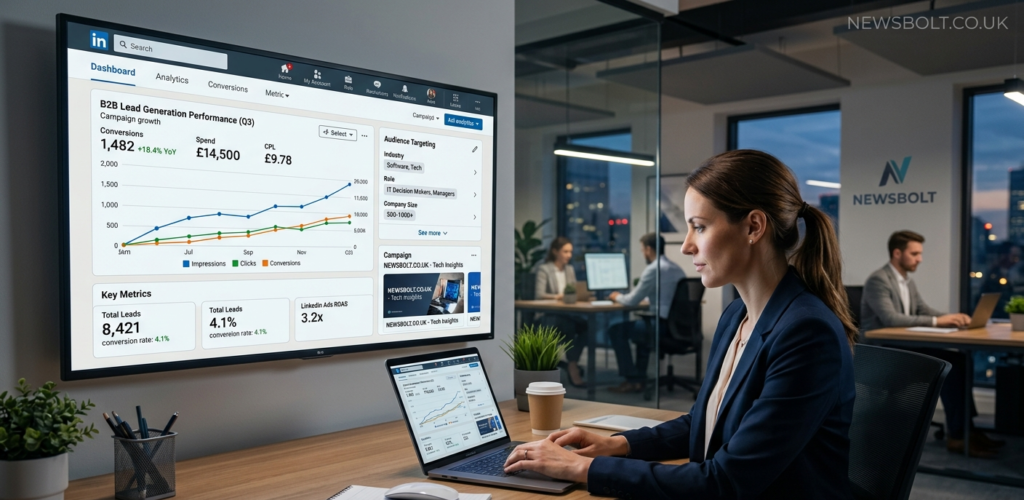
Analytics is a central component of LinkedIn Campaign Manager, providing advertisers with detailed insights into campaign performance. The dashboard tracks impressions, clicks, conversions, and engagement metrics in real time, allowing marketers to evaluate effectiveness at every stage.
Conversion tracking is particularly important because it connects ad interactions with real business outcomes. By using tracking pixels and integrated analytics tools, advertisers can measure how many users complete actions such as form submissions, downloads, or purchases after interacting with an ad.
This data-driven approach enables continuous improvement. Marketers can identify high-performing campaigns, adjust underperforming ads, and refine targeting strategies based on actual user behavior rather than assumptions.
Optimization Strategies and Algorithmic Learning in LinkedIn Campaign Manager
Optimization in LinkedIn Campaign Manager is an ongoing process that relies heavily on data feedback loops. As campaigns run, the system collects performance data and uses it to improve ad delivery efficiency. This means campaigns often perform better over time as the algorithm learns which audiences respond most effectively.
Advertisers play a key role in optimization by refining targeting parameters, adjusting budgets, and improving creative messaging. High-quality content that resonates with professional audiences tends to generate stronger engagement signals, which in turn improves ad visibility and reduces cost per result.
Another important aspect of optimization is testing. Campaign Manager allows marketers to experiment with different variations of ads to determine which messaging, visuals, or formats produce the best results. This iterative process is essential for maximizing return on investment.
The Future of LinkedIn Campaign Manager and B2B Advertising Trends
The future of LinkedIn Campaign Manager is closely tied to advancements in artificial intelligence and predictive analytics. As advertising technology evolves, the platform is expected to become even more automated, helping marketers create highly optimized campaigns with minimal manual intervention.
Another emerging trend is deeper integration of first-party data and privacy-focused advertising. As digital privacy regulations become stricter, LinkedIn’s professional data advantage will become even more valuable for marketers seeking reliable audience insights without relying on third-party tracking.
Ultimately, LinkedIn Campaign Manager will continue to play a central role in B2B digital marketing. Its combination of professional targeting, data-driven optimization, and evolving AI capabilities positions it as one of the most powerful advertising platforms for businesses looking to generate high-quality leads and build long-term brand authority.
READ MORE: NEWSBOLT
