



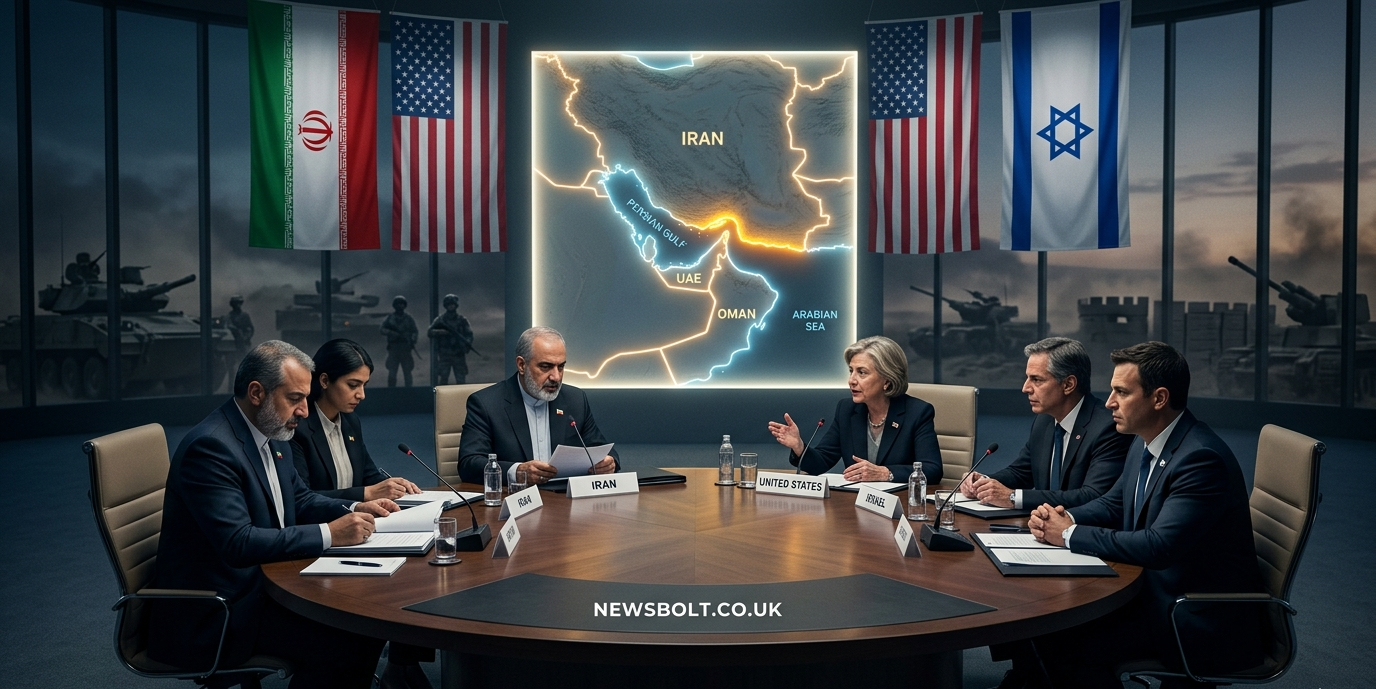
The Iran ceasefire has emerged as one of the most significant geopolitical developments in recent times, drawing global attention due to its far-reaching implications for regional stability, energy security, and international diplomacy. The agreement came after a period of heightened tensions and military escalation involving Iran, United States, and Israel, raising fears of a broader war in the Middle East. For many observers, the ceasefire represents a fragile pause rather than a definitive end to hostilities.
Understanding the Iran ceasefire requires examining not only the immediate events that led to it but also the deeper political, economic, and historical factors that have shaped the conflict. The situation is complex, involving competing narratives, strategic interests, and longstanding rivalries. While the ceasefire has temporarily reduced tensions, it remains uncertain whether it can lead to a lasting peace or if it is simply a short break before further confrontation.
Historical Context Behind Iran’s Conflicts
The roots of the Iran ceasefire lie in decades of geopolitical tension between Iran and Western powers, particularly the United States. Since the 1979 Iranian Revolution, relations have been marked by mistrust, economic sanctions, and ideological differences. Iran’s nuclear program has been a central issue, with Western nations expressing concerns about its potential military applications, while Iran maintains that its intentions are peaceful.
In addition to its conflict with the United States, Iran has had a complex and often adversarial relationship with Israel. Regional rivalries, proxy conflicts, and ideological differences have contributed to ongoing tensions. Over time, these disputes have expanded beyond direct confrontation, involving allied groups and neighboring countries, making the conflict more widespread and difficult to resolve through simple diplomatic measures.
Escalation Leading to the 2026 Ceasefire
The events leading up to the Iran ceasefire in 2026 were marked by rapid escalation. Military strikes, cyber operations, and increased naval activity in the Persian Gulf intensified the situation. The strategic importance of the Strait of Hormuz played a major role, as any disruption to this route has immediate consequences for global oil supply and prices.
As tensions grew, fears of a full-scale war became more realistic. The involvement of multiple actors, including regional allies and proxy forces, created a volatile environment. Diplomatic channels were initially limited, but as the risk of economic and humanitarian disaster increased, international pressure mounted for de-escalation, eventually paving the way for ceasefire negotiations.
Key Terms and Structure of the Ceasefire Agreement
The Iran ceasefire agreement is structured as a temporary halt to military operations rather than a comprehensive peace treaty. It includes commitments from all major parties to suspend offensive actions, reduce military presence in sensitive areas, and allow safe passage through critical trade routes. One of the most important elements is the reopening and security of the Strait of Hormuz, which is essential for global energy markets.
Despite these agreements, the ceasefire terms remain partially ambiguous. Different parties have interpreted the conditions in varying ways, leading to confusion and skepticism. While some view the ceasefire as a stepping stone toward long-term peace, others see it as a strategic pause that allows each side to regroup and reassess its position.
Role of International Mediators and Diplomacy
Diplomacy played a crucial role in achieving the Iran ceasefire, with several countries and international organizations working behind the scenes to facilitate dialogue. Pakistan emerged as a key mediator, leveraging its relationships with both Western powers and regional players to encourage negotiations. Its involvement highlights the importance of neutral intermediaries in resolving complex conflicts.
Other global actors, including European nations and Asian powers, also contributed by advocating for de-escalation and supporting diplomatic efforts. These countries recognized that a prolonged conflict would have severe global consequences, particularly for energy markets and international trade. The ceasefire reflects a collective effort to prevent further instability, even if it does not fully resolve underlying issues.
Economic Impact of the Iran Ceasefire
The economic implications of the Iran ceasefire are significant, particularly in the energy sector. The Strait of Hormuz is one of the world’s most important النفط shipping routes, and any disruption can lead to sharp increases in oil prices. The announcement of the ceasefire helped stabilize markets, leading to a temporary decline in oil prices and restoring some confidence among investors.
However, the long-term economic outlook remains uncertain. The conflict has already caused disruptions to supply chains, increased transportation costs, and reduced investor confidence in the region. Even with a ceasefire in place, rebuilding infrastructure and restoring economic stability will take time. The situation underscores how geopolitical conflicts can have ripple effects across the global economy.
Humanitarian Consequences and Regional Instability
Beyond economic concerns, the Iran conflict has had serious humanitarian consequences. Civilian populations in affected areas have faced displacement, loss of livelihoods, and damage to essential infrastructure. The ceasefire has provided a temporary reprieve, allowing humanitarian aid to reach some of the most affected communities, but the needs remain significant.
Regional instability continues to be a major concern. The involvement of proxy groups and neighboring countries has complicated the conflict, creating a web of alliances and rivalries. While the ceasefire reduces immediate violence, it does not address the root causes of instability, which include political divisions, economic disparities, and ideological differences across the region.
Political Reactions Within Iran and Globally
The Iran ceasefire has generated mixed reactions both within the country and internationally. In Iran, some political factions view the agreement as a strategic success that prevented further damage, while others see it as a compromise that does not fully address national interests. These internal debates reflect broader divisions within the country’s political landscape.
Globally, reactions have also varied. Many governments have welcomed the ceasefire as a positive step toward reducing tensions, but there is widespread skepticism about its durability. Analysts and policymakers continue to monitor the situation closely, recognizing that the ceasefire’s success depends on sustained diplomatic engagement and mutual trust among the parties involved.
Challenges Threatening the Ceasefire’s Stability
Despite its importance, the Iran ceasefire faces several challenges that could undermine its effectiveness. One of the primary issues is the lack of a clear enforcement mechanism. Without a strong framework to ensure compliance, there is a risk that violations could occur without significant consequences, potentially reigniting the conflict.
Another major challenge is the ongoing mistrust between the involved parties. Decades of tension and conflict have created deep-seated suspicions, making it difficult to build confidence in the ceasefire agreement. Additionally, external factors such as regional conflicts and political changes can influence the stability of the ceasefire, adding further uncertainty to an already complex situation.
Future Prospects for Peace and Stability
The future of the Iran ceasefire largely depends on whether it can evolve into a more comprehensive peace agreement. Continued negotiations will be essential to address key issues such as nuclear policy, economic sanctions, and regional influence. While the ceasefire provides a starting point, achieving lasting peace will require significant compromises from all sides.
There is also an opportunity for the international community to play a more active role in supporting long-term stability. This includes promoting dialogue, providing economic assistance, and encouraging confidence-building measures. While the path to peace is uncertain, the ceasefire represents a critical moment that could shape the future of the Middle East for years to come.
Conclusion: A Fragile Pause with Global Significance
The Iran ceasefire is a pivotal development that highlights both the potential and the limitations of diplomacy in resolving complex conflicts. It has temporarily reduced tensions and provided a window of opportunity for dialogue, but it is far from a permanent solution. The challenges facing the ceasefire underscore the difficulty of achieving lasting peace in a region marked by deep-rooted rivalries and strategic interests.
For the global community, the ceasefire serves as a reminder of the interconnected nature of modern geopolitics. Events in one region can have far-reaching consequences, affecting economies, security, and international relations worldwide. As the situation continues to evolve, the focus will remain on whether this fragile pause can be transformed into a sustainable path toward peace and stability.
READ MORE: NEWSBOLT
