



Overview of the UK State Pension Increase Campaign and Its Growing Importance
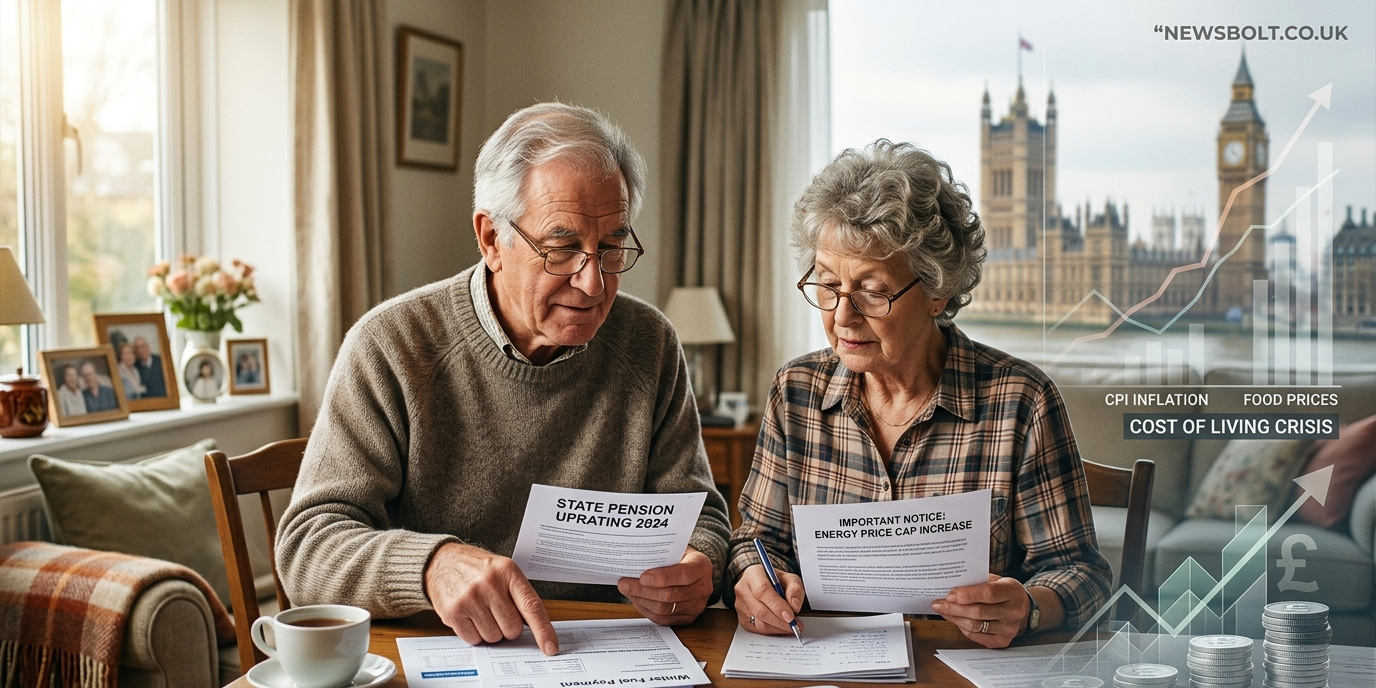
The UK State Pension Increase Campaign is a long-running public and political movement focused on ensuring that pensioners receive fair and sustainable increases in their retirement income. At its heart, the campaign addresses a simple but critical issue: whether the UK State Pension keeps up with the real cost of living, including inflation, housing costs, energy bills, and everyday essentials. As economic pressure has increased in recent years, this campaign has become more visible and more politically significant.
The importance of the campaign has grown because millions of retirees depend heavily on the state pension as their primary or only source of income. While workplace pensions and private savings exist for some, a large portion of the population relies on government-provided support. Campaigners argue that without consistent increases, pensioners risk falling into financial hardship, especially during periods of high inflation. This concern has led to widespread public debate about fairness and intergenerational responsibility.
In addition, the campaign is closely tied to broader UK economic policy. Decisions about pension increases influence government spending, taxation, and long-term fiscal planning. As a result, the issue is not only social but also deeply economic and political, making it a recurring topic in national policy discussio
The Structure and Impact of the Triple Lock System on Pension Growth
A central pillar of the UK State Pension Increase Campaign is the triple lock system, which determines how pensions rise each year. The triple lock guarantees that the state pension increases by the highest of three measures: inflation, average earnings growth, or a minimum of 2.5%. This mechanism was introduced to protect pensioners from falling behind the working population and rising living costs.
Over time, the triple lock has significantly increased pension values, helping to reduce pensioner poverty and improve financial stability among older citizens. It ensures that pension increases are not fixed arbitrarily but are instead linked to economic performance indicators. This has given pensioners more confidence that their income will not lose value in real terms.
However, the system also generates debate. Critics argue that it is increasingly expensive and may not be sustainable in the long term, especially as life expectancy rises and the number of retirees grows. Despite these concerns, the triple lock remains widely supported by both the public and major political parties because of its strong link to voter expectations and social protection
Historical Context Behind UK Pension Increase Campaigns
The UK State Pension Increase Campaign did not emerge overnight. It has evolved over decades as pension policy in the UK has shifted from relatively modest, state-dependent support to a more structured system influenced by inflation and earnings. Historically, pension increases were inconsistent, often failing to match wage growth, which led to gradual erosion in pension value.
During the late 20th century, pension reform became a major political issue as concerns grew about elderly poverty and inequality in retirement income. Governments introduced various indexing methods over time, but none fully addressed the gap between pensions and real living costs. This created long-standing dissatisfaction among retirees and advocacy groups.
The introduction of the triple lock marked a turning point in pension policy, providing a more predictable system of uprating. However, even with this mechanism in place, campaigners argue that broader reforms are still needed to ensure fairness, especially for groups who feel left behind by past policy changes or insufficient pension growth.
Cost of Living Pressures and Their Influence on Pension Advocacy
One of the strongest drivers of the UK State Pension Increase Campaign is the rising cost of living. Over the past few years, inflation has significantly impacted essential goods and services, including food, utilities, and housing. Pensioners on fixed incomes are particularly vulnerable to these changes because they often lack the flexibility to increase earnings.
As a result, advocacy groups have intensified their calls for stronger pension increases. They argue that while the triple lock provides some protection, it does not always fully compensate for sudden spikes in inflation or long-term increases in essential living costs. This has led to growing public concern about whether pensioners can maintain a decent standard of living.
The cost-of-living crisis has also influenced political debate. Governments are under pressure to balance fiscal responsibility with social protection, making pension policy a sensitive issue. In this environment, the State Pension Increase Campaign has become a key voice representing the financial needs of older citizens.
The Role of WASPI and Broader Pension Justice Movements
A significant part of the wider pension debate includes the campaign led by WASPI (Women Against State Pension Inequality). While not focused solely on annual pension increases, WASPI has played a major role in highlighting fairness issues within the UK pension system. The campaign represents women born in the 1950s who were affected by changes in the state pension age.
WASPI argues that many women were not given adequate notice of these changes, leaving them financially unprepared for retirement. This has led to widespread calls for compensation and policy review. The campaign has gained significant public support and has been influential in shaping discussions around pension fairness and government accountability.
The broader impact of WASPI extends into the State Pension Increase Campaign by reinforcing the idea that pension policy must be transparent, fair, and predictable. It has helped highlight how changes in pension rules can have long-term effects on individuals’ financial security, strengthening the overall argument for more careful pension reform.
Government Policy and the Future of the Triple Lock Commitment
Government policy plays a central role in shaping the future of the UK State Pension Increase Campaign. In recent years, the triple lock has remained politically popular, with most major parties publicly supporting its continuation. This reflects both its importance to pensioners and its influence on electoral outcomes.
However, policymakers continue to face challenges in balancing affordability with fairness. As pension spending increases, governments must consider how to fund long-term commitments while also investing in other essential services such as healthcare and education. This creates ongoing debate about whether the triple lock should be maintained in its current form or adjusted.
Despite these discussions, the political reality is that any significant change to pension increases would face strong public resistance. Pensioners represent a large and active voting group, making pension policy one of the most politically sensitive areas of government decision-making.
Economic Sustainability and Long-Term Fiscal Challenges
One of the most complex aspects of the UK State Pension Increase Campaign is the question of long-term sustainability. As the population ages, the ratio of working-age taxpayers to retirees continues to change. This demographic shift places increasing pressure on public finances and raises concerns about the future affordability of pension commitments.
Economists argue that while the current system provides important protection, it may become more expensive over time. Rising life expectancy means that pensions are paid for longer periods, increasing overall government expenditure. This has led to discussions about whether alternative models or reforms may eventually be required.
Supporters of the current system counter that pensions are a fundamental social guarantee. They argue that reducing or weakening pension increases could lead to higher levels of poverty among older people, reversing decades of progress in retirement security. This tension between fiscal responsibility and social protection remains at the heart of the debate.
Public Opinion and Political Pressure on Pension Reform
Public opinion plays a powerful role in shaping the direction of the UK State Pension Increase Campaign. Surveys consistently show strong support for maintaining or strengthening pension increases, particularly among older voters. This makes pension policy a key issue during elections and political debates.
The influence of public opinion means that policymakers must carefully consider the social impact of any changes. Even small adjustments to pension policy can generate significant public reaction, especially if perceived as reducing financial security for retirees. As a result, governments often adopt cautious approaches when discussing reform.
Political pressure is also reinforced by advocacy groups and media coverage, which keep pension issues in the public spotlight. This ongoing attention ensures that pension increases remain a central topic in national policy discussions.
Future Outlook of the UK State Pension Increase Campaign
Looking ahead, the UK State Pension Increase Campaign is likely to remain a major part of public policy debate. Economic conditions, inflation trends, and demographic changes will all influence how pension increases are managed in the future. If inflation remains volatile, pressure for stronger pension protection will continue to grow.
At the same time, governments will need to balance competing demands on public spending. This may lead to gradual adjustments or reforms rather than sudden changes to the current system. The challenge will be finding a balance that maintains fairness for pensioners while ensuring long-term financial sustainability.
Ultimately, the campaign reflects a broader question about how society supports its ageing population. As the UK continues to evolve economically and demographically, the debate over pension increases will remain central to discussions about fairness, security, and national responsibility.
READ MORE: NEWSBOLT
